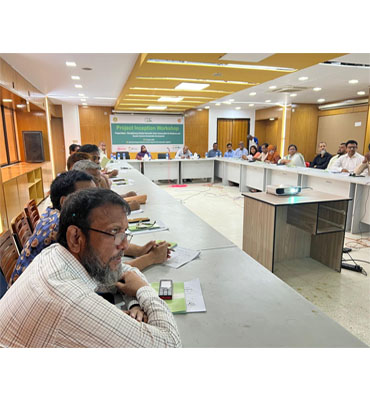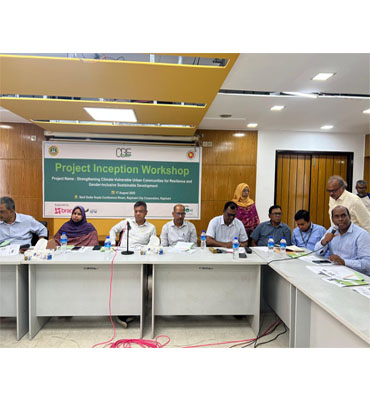


Title of the Project: Strengthening Climate-Vulnerable Urban Communities for Resilience and Gender-Inclusive Sustainable Development (Urban Re-Gen)
Project Implementation Period: 3 Years (January 2025- December 2027)
Name of donor: Funded by Climate Bridge Fund (CBF), Supported by BRAC & KfW
Project Areas: Rajshahi City Corporation (03 Community: 01. Fultala Char kazla (ward 28), 02. Bastuhara (ward 21) and 03. Court station Railline side (ward 05).
Direct Project Beneficiaries:
a. Direct beneficiaries with single counting: 3073
b. Direct beneficiaries with double counting: 9548
Total Project budget: BDT 30,688,000
Project type and goal:
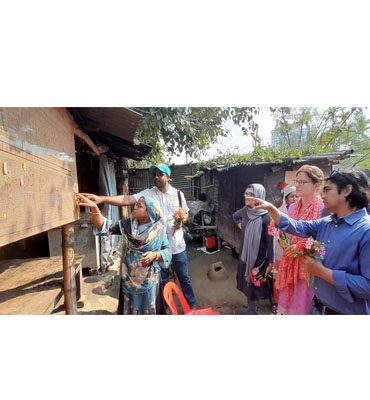
DASCOH Foundation, with funding support from the Climate Bridge Fund (CBF), is implementing a three-year project titled “Strengthening Climate-Vulnerable Urban Communities for Resilience and Gender-Inclusive Sustainable Development (Urban Re-Gen)” from January 2025 to December 2027 in selected slums under Rajshahi City Corporation (03 Community: 01. Fultala Char kazla (ward 28), 02. Bastuhara (ward 21) and 03. Court station Railline side (ward 05). The project aims to enhance the resilience of climate-affected urban communities through integrated interventions focused on livelihood, health, WASH, gender-based violence, and community resilience.
It is designed to achieve four key outcomes:
(1) Strengthened livelihood opportunities and increased economic independence for women, thereby enhancing their resilience to climate impacts;
(2) Improved health and psychosocial well-being of women in climate-vulnerable communities, with a focus on maternal, new born, and child health (MNCH);
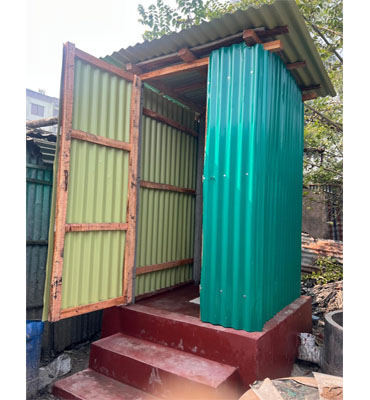
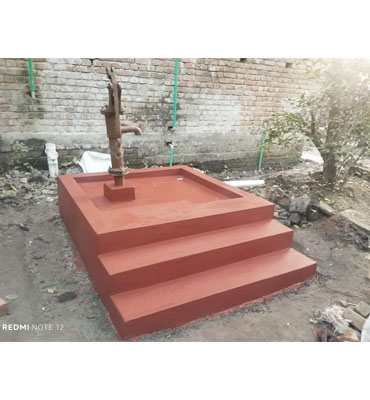
(3) Enhanced access to climate-resilient and gender-inclusive WASH infrastructure and housing solutions;
(4) Improved community resilience against the adverse effects of climate change by promoting gender equality, reducing child marriage and gender-based violence, and strengthening local conflict resolution mechanisms. The project adopts a gender-Responsive, participatory approach to ensure inclusive and sustainable development outcomes.